Penulis: Zulkarnain Patwa

  • A New History of Syarikat Islam Bulukumba

    A New History of Syarikat Islam Bulukumba

    SI (Syarikat Islam) is a large organization working in religion, social affairs, trade, education, and very important, politics; it doctrine its intellectual figures to fight against Dutch colonialism. Take for example H.O.S. Cokroaminoto, Agus Salim, Soekarno, Semaun, Kartosuwiryo, Muso, and many more.

    Differences in ideology made them clash with each other. H.O.S. Cokroaminoto and Agus Salim represented the religious nationalist group and clashed with Semaun and Muso. Meanwhile, Soekarno, who was a pure nationalist, very clearly clashed with Kartosuwiryo, who wanted to establish the Islamic State of Indonesia.

    Cross-Faction Meeting
    Several figures in Bulukumba gathered to form the SI board. Will they clash with each other too? Syahruni Haris sees that as just a historical nostalgia. “Learn from past mistakes, do not repeat bad history but create new history,” explained this Vice Chairman of the legislative assembly in Bulukumba regency.

    As a follow-up to unify their perception, a meeting of several Bulukumba figures from various backgrounds—from the “left, right, front, and back” groups (the author’s term)—gathered at Circle on Saturday, May 16, 2026.

    Will they clash with each other like their predecessors?

    The present era is no longer about ideological clashes and physical warfare like the independence era, but about how to fill the independence, as explained below.

    Answering the Challenges of the Era for SI Bulukumba
    From its great history, it is important to remember that SI did not disband but continues to move dynamically according to the changing times. Currently, the General Chairman of central SI is Prof. Dr. Hamdan Zoelva, S.H., M.H., the former Chief Justice of the Constitutional Court.

    In this year of 2026, SI is present in Bulukumba Regency, South Sulawesi.

    Ahmad Said, the Chairman of the Bulukumba SI Branch Council, gave an introduction stating that SI Bulukumba will monitor the policies of the Indonesian government in Bulukumba, oversee the running of the local government, and be actively involved in advocating and educating Muslims, as done by Islamic organizations. SI, which was originally SDI (Syarikat Dagang Islam), certainly has a high focus on reviving the spirit of public entrepreneurship by supporting cooperative programs, not as an antithesis but as an initiation of what the government has done today.

    The idea was well received. Abdul Kahar Muslim as the Branch Leader and Iwan Salassa, the Vice Chairman of the Bulukumba SI Branch, added that the representation of women figures in SI is also very important to fight for the rights of women’s struggle.

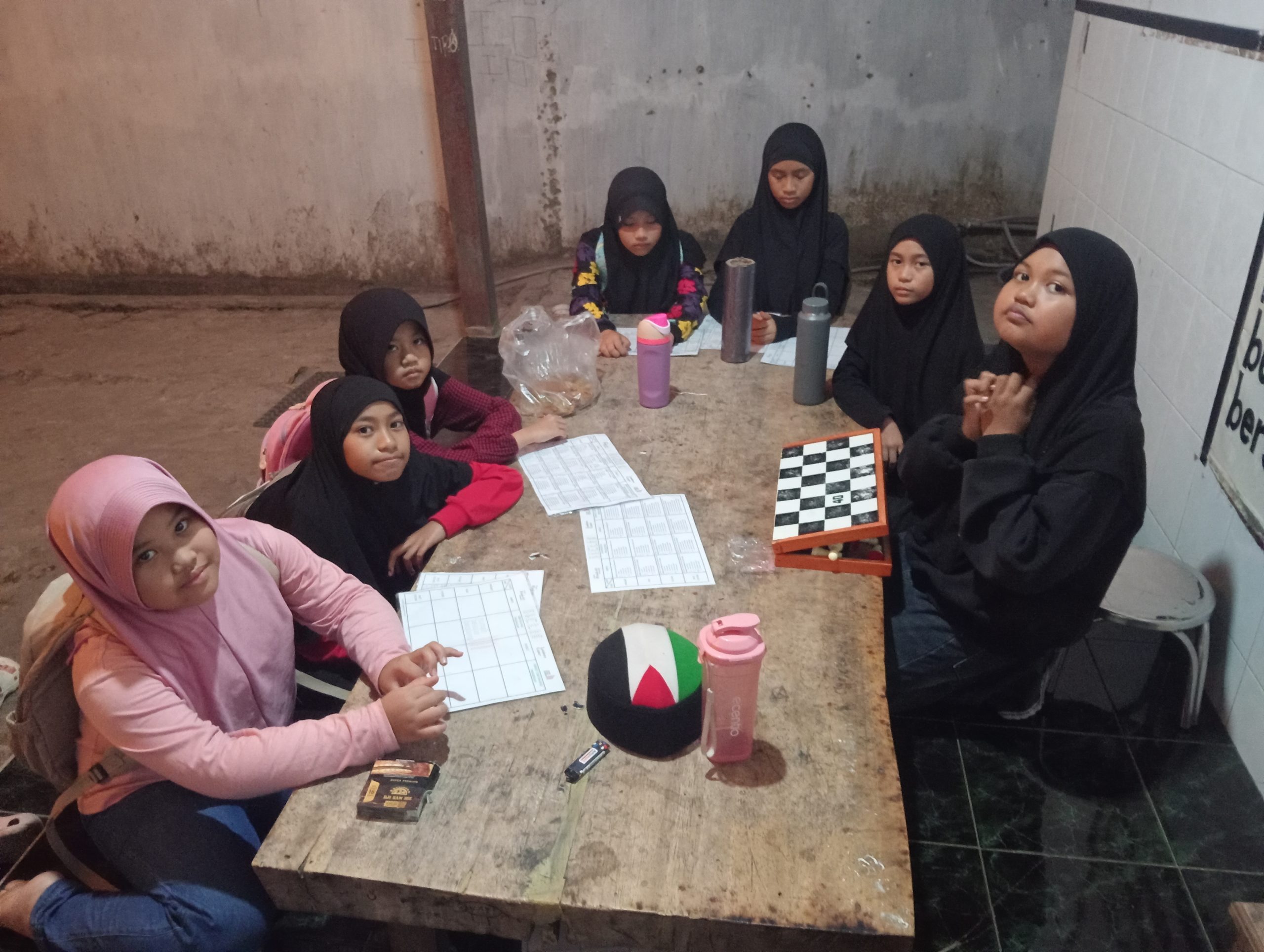
    Several members of the Bulukumba Branch of Syarikat Islam gathered to devise the organization’s future strategic steps. Photo Source: H. A. Abdul Haris on Saturday, May 16, 2026

    Next Steps
    Of course, there are still many smart ideas that must be born and worked on. H. A. Haris Ishak, the Secretary of the Bulukumba SI Branch, views that other systematic strategic activity plans will be discussed at the SI Work Program Meeting, which will then be socialized to the public so that people connected to the SI program can be actively involved and participate.
    “May Allah SWT always grant the gifts of health, blessings, and His mercy to all of us,” closed Abdul Kahar Muslim.

    Closing
    SI has produced great ideas and figures according to their respective ideologies. It has the awareness not to fall into Indonesia’s dark history. Now, the figures of SI Bulukumba emphasize more on combining all the resources they have to collaborate in supporting the work programs that will strengthen SI’s mission: Independence of the Ummah, Economic independence, Inclusive dakwah, and Social justice.

    Zulkarnain Patwa
    Bulukumba, Sunday, May 17, 2026

  • Sejarah Baru pada Syarikat Islam Bulukumba

    Sejarah Baru pada Syarikat Islam Bulukumba

    SI (Syarikat Islam) organisasi besar bergerak dalam keagamaan, sosial, perdagangan, pendidikan dan yang sangat penting adalah politik; mendokrin tokoh intelektualnya melawan kolonialisme Belanda. Sebut saja H.O.S. Cokroaminoto, Agus Salim, Soekarno, Semaun, Kartosuwiryo, Muso dan masih banyak lagi.

    Perbedaan ideologi membuat mereka saling hantam. H.O.S. Cokroaminoto dan Agus Salim mewakili kelompok nasionalis religius bentrok dengan Semaun dan Muso, Sukarno yang nasionalis tulen sangat terang saling gasak dengan Kartosuwiryo yang ingin mendirikan Negara Islam Indonesia. Itulah sekilas sejarahnya.

    Pertemuan Lintas Kubu
    Beberapa tokoh Bulukumba berkumpul membentuk pengurus SI. Apakah mau saling gasak juga? Syahruni Haris memandang bahwa itu sekedar nostalgia sejarah. “Belajar dari kesalahan terdahulu, jangan mengulang sejarah buruk tapi ciptakan sejarah baru”, terang Wakil Ketua DPRD Bulukumba ini.

    Sebagai tindak lanjut penyatuan persepsi, pertemuan beberapa toloh bulukumba dari berbagai latar belakang—dari  aliran “kiri, kanan, depan maupun belakang” (istilah penulis)—berkumpul di Circle pada Sabtu, 16 Mei 2026.

    Apakah mereka akan saling berbenturan seperti para pendahulu?

    Zaman now bukan lagi terletak pada benturan ideologi dan perang fisik seperti masa kemerdekaan itu melainkan bagaimana mengisi kemerdekaan seperti yang akan dijelaskan di bawah ini.

    Sebagian para pengurus Syarikat Islam Cabang Bulukumba yang sedang berkumpul menggagas langkah strategis SI ke depan. Sumber Foto: H. A. Haris Ishak pada Sabtu, 16 Mei 2026.

    Menjawab Tantangan Zaman SI Bulukumba
    Dari sejarahnya yang besar itu, patut diingat SI tidak bubar tapi terus bergerak dinamis sesuai perubahan zaman. Saat ini Ketua Umum pusat SI dijabat oleh Prof. Dr. Hamdan Zoelva, S.H., M.H., Mantan Ketua Mahkamah Konstitusi .

    Pada 2026 ini, SI hadir di Kab. Bulukumba, Sulawesi-Selatan.

    Ahmad Said, Ketua Dewan SI Cabang Bulukumba, memberikan pengantar bahwa SI Bulukumba akan mengawal kebijakan pemerintah RI di Bulukumba, mengawasi jalannya roda pemerintahan daerah, dan turut terlibat aktif mengadvokasi dan mengedukasi kaum muslimin sebagaimana dilakukan organisasi Islam. SI yang awalnya adalah SDI (Syarikat Dagang Islam) pasti punya konsentrasi yang tinggi dalam membangkitkan kembali spirit kewirausahaan masyarakat dengan mendukung program koperasi, bukan sebagai anti tesa tetapi sebagai inisiasi dari apa yang telah dilakukan pemerintah saat ini.

    Gagasan tersebut disambut baik.  Abdul Kahar Muslim selaku  Pimpinan Cabang dan Iwan Salassa, Wakil Ketua SI Cabang Bulukumba menambahkan bahwa tokoh keterwakilan perempuan di SI juga sangat penting untuk memperjuangkan hak-hak perjuangan perempuan.

    Langkah Selanjutnya
    Tentu, masih banyak ide cerdas yang harus dilahirkan dan dikerjakan. H. A. Haris Ishak, Sekretaris SI Cabang Bulukumba, memandang bahwa rancangan kegiatan strategis yang tersistematis lainnya akan dibahas pada Rapat Program Kerja SI yang kemudian akan sosialisasikan kepada publik agar masyarakat yang terhubung dengan program SI dapat terlibat aktif berpartisipasi.

    “Semoga Allah SWT selalu melimpahkan anugerah kesehatan, berkah, dan rahmat-Nya kepada kita semua,” tutup Abdul Kahar Muslim.

    Penutup
    SI telah mencetak ide-ide dan tokoh-tokoh besar yang sesuai dengan ideologi masing-masing. Ia punya kesadaran untuk tidak jatuh pada sejarah kelam Indonesia. Kini, para tokoh-tokoh SI Bulukumba lebih menekankan pada penggabungan seluruh sumber daya yang dimiliki untuk dikolaborasikan dalam mendukung program kerja yang akan memperkuat misi SI: Kemerdekaan Umat, Kemandirian ekonomi, Dakwah inklusif dan Keadilan sosial. Adakah sejarah baru yang akan tercipta?

    Zulkarnain Patwa
    Bulukumba, Minggu, 17 Mei 2026

  • Mental Strengthening for Students

    Mental Strengthening for Students

    Bridging smart teachers and talented students together has happened many times through a partnership between GAIA in Pati, Central Java, and RBB (Rumah Belajar Bersama) in Bulukumba, South Sulawesi. What made this fifth online English meeting special was that each institution sent four students to participate in a question and answer session.

    This idea came up after Miss Salma Minasaroh from GAIA filled the teaching sessions four times. The RBB children were very excited to learn from her. It would be much better if the GAIA children could also join, so that students across islands—Java and Sulawesi—could connect. She agreed. To make it effective, the number of participants was very limited so that everyone had enough chance to speak and answer twenty questions.When they met on the screen, the children just looked at each other. None of them greeted each other or started a conversation until the silence was broken when Miss Salma took over the class for the English lesson.

    The question and answer session went very smoothly. Only one or two English words from the students’ conversation were hard to understand. In short, the English learning process ran normally. The secret lay in the skill and experience of the teacher, an alumna of two universities, UAD and UGM Yogyakarta. She knew exactly how to manage a classroom and the students had practiced well on the question and answer materials that would be discussed online.

    After understanding the basics of simple conversation, our students should be motivated to be brave enough to communicate with other people, not just their teachers. Yes, we know that children tend to be shy around people they just met. That is our challenge for the future, so they can become close friends with fellow Indonesian students before stepping further into international relations between countries.

    GAIA and RBB, which are part of the institutions focused on developing the quality of Indonesian students, are certainly ready to move in that direction. Based on the evaluation above, a better plan for the next online learning has been prepared. Knowledge and mental strength must walk hand in hand. Do you have any interesting ideas too? Let’s see. That’s all for now

    Zulkarnain Patwa
    Bulukumba, Sunday, May 17, 2026

  • Penguatan Mental Pelajar

    Penguatan Mental Pelajar

    Mempertemukan guru dan pelajar berbakat telah berulang-ulang terlaksana melalui kerjasama antara GAIA di Pati, Jawa Tengah dan RBB (Rumah Belajar Bersama), Bulukimba, Sulawesi Selatan. Yang istimewa pada pertemuan kelima English online ini adalah masing masing lembaga memasukkan empat orang pelajarnya untuk materi tanya jawab.

    Ide ini muncul setelah Miss Salma Minasaroh dari GAIA telah empat kali mengisi materi. Anak-anak RBB sangat antusias belajar darinya. Alangkah ini lebih baik bila anak-anak GAIA juga dapat terlibat agar terdapat keterhubungan pelajar lintas pulau: Jawa dan Sulawesi. Dia sepakat. Agar efektif, jumlah peserta dibuat sangat terbatas agar semua peserta punya kesempatan cukup untuk berbicara menjawab dua puluh soal.

    Saat bertemu di layar, anak anak itu saling tatap muka saja. Tidak ada di antara mereka yang saling menyapa dan memulai pembicaraan hingga keheningan terpecahkan ketika Miss Salma mengambil alih kelas untuk pembelajaran Bahasa Inggris.

    Tanya jawab berlangsung sangat lancar. Satu dua kata kosa kata Inggris saja dari pembicaraan para pelajar itu yang sulit dimengerti. Pendek kata, urusan pembelajaran Bahasa Inggris berjalan normal. Rahasianya terletak pada kemampuan dan pengalaman guru alumni dua universitas yaitu UAD dan UGM Yogyakarta tersebut yang sudah tahu betul cara mengelola kelas belajar dan para pelajar yang telah berlatih dengan matang pada materi tanya jawab yang akan dibahas secara online.

    Setelah memahami dasar dasar percakapan sederhana, para pelajar kita sebaiknya dimotivasi untuk berani berkomunikasi dengan orang lain, bukan sebatas guru saja. Ya, kita tahu anak anak itu cenderung pemalu pada orang yang mereka baru kenal. Itulah yang menjadi tantangan kita ke depan agar mereka mampu berakrab ria sesama pelajar Indonesia sebelum melangkah lebih jauh pada pergaulan internasional antar negara.

    GAIA dan RBB yang termasuk bagian dari lembaga yang fokus pada pengembangan kwalitas pelajar Indonesia tentu siap mengerakkan ke arah tersebut. Berangkat dari evaluasi di atas, rancangan lebih baik pada pembelajaran online berikutnya telah disiapkan. Pengetahuan dan mental harus saling bergandeng tangan. Apakah Anda punya ide menarik juga? Let’s see. Sekian.

    Zulkarnain Patwa
    Bulukumba, Minggu, 17 Mei 2026

  • Leadership and Freedom of Expression

    Leadership and Freedom of Expression

    The classroom atmosphere which was not crowded made the writer have more opportunity in designing these students to practice leadership when learning English. The first thing done was appointing Adeeva as the leader because she was the only child who had finished two English storybooks and completed the story questions. The third book she is studying now is also almost finished. The other students are still at the stage of trying to finish books one and two.Adeeva accepted the offer and got the right to control the class as she pleased for 30 minutes. Before Adeeva asked her colleagues to read the second-stage storybook, Belva suggested, “I also want to lead the class, Mr. May I?”

    The writer said, “The leadership has fallen to Adeeva. Please convey your suggestion to her.””After Adeeva leads one reading, may I be the one who leads? Then Gavino and Aliza lead too after I am finished,” said Belva hopefully.”Yes,” Adeeva answered shortly.Everyone shouted, “Hooray.”

    So the class for about 20 minutes ran according to their agreement. Because the time was not up yet, the leadership returned to Adeeva. She suggested to practice orally on the preposition of place–Strengthening of the material that had been learned the day before. Everyone claimed to have been fluent and one by one alternately practiced in front of Adeeva.

    A break time was given for 15 minutes.In the remaining 45 minutes, Belva suggested something again.”Mr., everyone reads one lesson according to their choice.”A good idea. “Okay. How about the others? Agree?” asked the writer.”Agree,” said the children in unison.

    “Alright. But what is read is not only the story in the lesson but also the questions so that your reading is firmer.” No one objected.Gavino and Aliza took an easy reading. Because they were free to choose, there was no protest. Meanwhile, Adeeva read the lesson which was almost on the last page and it was read very well.Belva appeared different. He was the only student who wanted to read two lessons.

    “I want to read twice,” she said.

    “No problem. Please go ahead. That is even better for you,” said the writer. When everyone had finished, they looked very satisfied. Why? Because the suggestion about the way of learning they wanted was fulfilled, deliberated and without any coercion.

    From here we can see these children have learned to express their opinions which without them realizing it, they have practiced to be leaders, managing the class like an experienced teacher because the class can run according to the target. Besides that, the courage to express one’s own thoughts and self-confidence are also built.

    Zulkarnain Patwa
    Bulukumba, Saturday, May 16, 2026.

  • Kepemimpinan dan Kebebasan Berpendapat

    Kepemimpinan dan Kebebasan Berpendapat

    Suasana kelas yang sedang tidak padat membuat penulis punya kesempatan lebih dalam merancang para pelajar ini untuk melatih kepemimpinan saat belajar Bahasa Inggris. Hal yang pertama dilakukan adalah menunjuk Adeeva sebagai pemimpin karena dia adalah anak satu-satunya yang telah tamat dua buku cerita berbahasa Inggris dan menyelesaikan soal soal cerita. Buku ketiga yang sedang ia pelajari sekarang pun hampir tamat. Pelajar yang lain masih tahap sedang berusaha menamatkan buku satu dan dua.

    Adeeva menerima tawaran tersebut dan mendapatkan hak mengendalikan kelas sesukanya selama 30 menit. Sebelum Adeeva meminta rekan rekannya membaca buku cerita tahap kedua, Belva mengusulkan, “Saya juga mau memimpin kelas, Mr. Boleh?”

    Penulis berkata, “Kepemimpinan telah jatuh kepada Adeeva. Silahkan sampaikan usulanmu kepadanya”.

    “Setelah Adeeva memimpin satu bacaan, bolehkah saya yang memimpin? Lalu Gavino dan Aliza memimpin juga setelah saya selesai”, kata Belva penuh harap.

    “Boleh”, jawab Adeeva singkat.

    Semua berteriak, “Hore”.

    Maka kelas sekitar 20 menit berjalan sesuai kesepakatan mereka. Karena waktu belum habis, kepemimpinan pun kembali ke Adeeva. Ia mengusulkan untuk praktek lisan pada preposition of place (Kata depan untuk tempat)–Pemantapan materi yang telah dipelajari sehari sebelumnya. Semuanya mengaku telah lancar dan satu persatu secara bergiliran praktek di depan Adeeva.

    Waktu istirahat diberikan selama 15 menit.

    Pada 45 menit yang tersisa, Belva mengusulkan sesuatu lagi.

    “Mr., setiap orang membaca satu lesson yang sesuai pilihannya”.

    Ide yang bagus. “Oke. Bagaimana yang lain? Sepakat?” tanya penulis.

    “Sepakat”, kata anak anak serentak.

    “Baiklah. Tapi yang dibaca bukan hanya cerita pada lesson tapi juga soal-soalnya agar bacaan kalian lebih mantap”. Tidak ada yang keberatan.

    Gavino dan Aliza mengambil bacaan yang mudah. Karena bebas memilih, tidak ada protes. Sedangkan Adeeva membaca lesson yang hampir pada halaman terakhir dan dibaca dengan sangat baik.

    Belva tampil beda. Ia satu satunya pelajar yang ingin membaca dua lessons.

    “Saya mau dua kali membaca”, katanya.

    “Tidak masalah. Silahkan saja. Itu malah lebih bagus buatmu”, kata penulis.

    Saat semua telah selesai, mereka terlihat sangat puas. Mengapa? Karena usulan tentang cara belajar yang mereka inginkan dipenuhi, dimusyawarahkan dan tanpa ada paksaan.

    Dari sini kita dapat melihat anak anak ini telah belajar untuk mengutarakan pendapatnya yang tanpa mereka sadari, mereka telah berlatih untuk menjadi pemimpin, mengelola kelas layaknya seorang guru yang berpengalaman karena kelas dapat berjalan sesuai target. Selain itu keberanian mengutarakan pikiran sendiri dan kepercayaan diri juga terbangun.

    Zulkarnain Patwa
    Bulukumba, Sabtu, 16 Mei 2026.

  • Ujian dengan Jalan Kaki

    Ujian dengan Jalan Kaki

    Ujian sekolah dan kuliah di dua universitas adalah ujian kehidupanmu nak yang akan menguatkanmu menghadapi ujian kehidupan.

    Ada hal yang selalu teringat dan sulit kulupakan. Saat Nashwa pakai sepatu sekolah diteras rumah, ia berkata “Bapak, ada hapalan sekolah saya lupa. Tunggu beberapa menit bapak. Saya hapal dulu”, tambahnya. Ia duduk dan menghapal dengan caranya. Setelah yakin, ia berkata kepadaku, “Saya sudah hapal bapak”.

    Seketika terasa ada kebahagian yg seolah mengatakan “Kamu hebat nak”, kataku dalam hati.

    Saya pun mengantarnya berangkat dgn memakai motor Honda Supra tuaku. Nashwa suka duduk di depan menikmati perjalanan hingga sampai di depan pagar sekolahnya,

    Sesuatu yang selalu menjadi kebiasaan Nashwa raih tangan saya sembari mencium sambil sy berucap, “Nu jago ini anakkue…pintar, ehhh… Jangan jajan sembarangan. Kalau mau pulang, tunggu adek Muh Dzaki Munadhil Irfan biar bersamaan pulangnya nak.

    Saat waktu tiba pulang sekolah, terkadang saya menjemput, tapi anak anaku kebanyakan pulang dengan jalan kaki bersama adiknya–
    Hal yg berbeda dari kebanyakan orang tua yang selalu menjemput anak² mereka.

    Angka 99 dimulai dari angka 1.

    Sesuatu yang terkadang saya sengaja untuk tidak menjemput mengundang tanya. Itu benar! Nashwa bertanya. “Bapak, kenapa tidak menjemputku?” Saya cuma tersenyum sambil meraihnya, memeluknya dan menciumnya. Itulah jawabanku agar anak anak tidak selalu dalam zona nyaman. Ini juga nanti akan menjadi cerita yang indah saat mengenang masa sekolahnya.

    Sekarang Nashwa sebentar lagi akan menyelesaikan study-nya di UIN Syarif Hidayatullah Jakarta. Ujian jalan kaki untuk tidak selalu dalam zona nyaman pada akhirnya jadi pembelajaran untuk membentuk karakternya dan kemandiriannya dalam menghadapi ujian kehidupan.

    Aris Irfan

    Bulukumba, Selasa, 16 Mei 2026

  • Perjuangan Belajar Arrumi

    Perjuangan Belajar Arrumi

    The best (Terbaik). Ungkapan singkat dari Arrumi Putri Irbeck yang baru saja menerima sertifikat kelulusan Ujian Tulis dan Lisan pada Tenses. Arrumi harus ujian sebanyak tujuh kali hingga ia dinyatakan lulus, paham luar kepala.

    Arrumi adalah alumni SMA 9 Ujung Loe dan tinggal di Desa Seppang. Ia harus berkendara motor seorang diri sekitar 20 sampai 25 menit untuk tiba ke RBB (Rumah Belajar Bersama) di kota Bulukumba. Selama tujuh bulan ia belajar Basic Grammar (Tata Bahasa Dasar) di bawah bimbingan Agung Pratama Salassa.

    “Metode belajar di RBB gampang dimengerti karena materinya tersusun rapi”, kata Arrumi. Untuk suasana kelas, “Banyak orang yang memang datang dengan niat mau “Guru gurunya juga baik dan ramah. Penjelasan materinya detail”, lanjutnya. Karena itu, ia tidak merasa rugi jauh jauh datang dari desa. Kwalitas seimbang dengan pengorbanan.

    Arrumi yang bercita cita kuliah di kampus kedinasan, sekarang ini mengikuti kursus kedinasan untuk menghadapi materi ujiannya. Ia memanfaatkan pengetahuan dasar Inggrisnya yang diperoleh untuk menganalisa soal soal. Ia merasa bersyukur karena dengan adanya basic yang bagus, ia dapat sedikit banyak mengerti cara menjawab dengan benar.

    Langkah Arrumi sudah tepat. RBB hanya memberikan materi tingkat lanjutan ke Pre Intermediate, Intermediate dan TOEFL (Test of English as a Foreign Language) dan sejenisnya hanya bagi pelajar yang lulus dari satu tahap ke tahap berikutnya. Karena waktunya yang terbatas, ia berjuang memahami Basic Grammar dan Tenses secara total. Itu cukuplah sebagai bekal utama untuk belajar secara acak. Dan menurutnya, dari bekal tersebut, ia bisa nyambung dengan latihan soal-soal kedinasan yang sedang ia pelajari saat ini.

    Seperti itulah mungkin tafsir “the best” Arrumi, menemukan kemudahan untuk melangkah lebih jauh menempuh cita cita. Mr. Agung sengaja memberikan ujian tulisan dan lisan karena tinggi kepada Arrumi dan pelajar lainnya karena ia ingin agar sertifikat kelulusan itu memang sesuai dengan kapasitas, mampu dipertanggungjawabkan. Dan setelah jatuh bangun tanpa kenal menyerah, Agung menyatakan Arrumi layak mendapatkan sertifikat kelulusan dengan nilai akhir termasuk kategori the best.

    Zulkarnain Patwa
    Bulukumba, Sabtu, 16 Mei 2026

  • Parents’ Happiness Through Their Children

    Parents’ Happiness Through Their Children

    Attraction and Resistance. Gentleness creates attraction. Harshness creates resistance. A mother, by her natural disposition, is often believed to possess greater emotional sensitivity than a father and to be more rational when making decisions. This perspective exists within society, including in family education. But is it truly correct? Let us examine it more deeply.

    A very precious moment: attending the inauguration ceremony of Nur Azizah Patwa, accompanied by her father and oldest sister.

    Two of the writer’s nieces, Aliyah and Azizah, had spoken freely with their father, Daeng Uttang, since childhood. They were raised to express their feelings, opinions, and freedom of thought openly. Their mother, Daeng Ida, was actually no different; she also encouraged dialogue about what her children wanted. However, behind that openness, she remained firm in teaching discipline and decisiveness. Was that harshness? No. It was firmness. Discipline indeed requires firmness. This became the main foundation for strengthening mental resilience from an early age—a preparation for navigating life’s winding paths.

    The oldest sister, Nur Aliyah Patwa, warmly greeted her beloved youngest sister during the inauguration ceremony.

    As time passed, both children grew up. In the residential area where they lived in Makassar, Aliyah became a Qur’an recitation champion. Her beautiful voice also made her talented in singing.

    “If Aliyah sings first, no one else’s voice sounds good afterward,” said Daeng Fatwa. “She has to sing last whenever there’s a family gathering,” continued that Daeng Uttang’s sister.

    Aliyah’s talent did not stop there. Among the competitions and achievements the writer remembers are:

    1. First Winner, Tourism Ambassador of Bulukumba
    2. Runner-Up, Miss Indonesia Selection at the South Sulawesi Provincial Level
    3. Runner-Up, Provincial Tourism Ambassador Selection in South Sulawesi
    4. Runner-Up, Open Karate Tournament held in Bone Regency
    5. Winning multiple Taekwondo championships

    Through the harmony between talent and hard work, opportunities in life opened widely for her, eventually leading to a banking career after graduating from Universitas Negeri Makassar.

    “Why does winning seem so easy for Aliyah?” asked Daeng Fatma.

    No one responded immediately.

    “Perhaps because her parents are kind to others, and that kindness flows to their children,” she said based on her own observations.

    “That makes sense too. Children have their own fortune already guaranteed by God,” the writer replied. “Daeng Fatma, as a pesantren graduate, surely knows the verses better—the original sources in the Qur’an. I only understand the Indonesian interpretations about the positive impact on those who are grateful and the consequences for those who turn away.”

    Two siblings with different talents and achievements, yet they continue to bring happiness to one another and support each other wholeheartedly.

    The writer then added, “Why haven’t I become a great person yet? Perhaps because I am still not truly grateful, since I waste so much of my time.”

    “That’s why you should wake up early regularly,” advised Daeng Fatma.

    “I already wake up for dawn prayers,” the writer answered apologetically, trying to justify himself.

    Meanwhile, Azizah was quieter by nature. She understood one extraordinary power: high discipline.

    “With discipline, she had already become successful even before success attached itself to her,” the writer thought.

    One day, there was a plan for a family gathering from her mother’s side. Azizah wanted to attend, but it coincided with her regular training schedule. Without hesitation, and with a confident expression, she chose her running practice instead.

    “Daeng, this child will become great,” the writer said to Daeng Uttang and Daeng Ida.

    They smiled happily, allowing Azizah to stand by her decision.

    Azizah’s dream eventually came true—she became a soldier. Her acceptance into the Indonesian Navy was a recognition from the Government of Indonesia for her achievements in rowing at the ASEAN Games. Before that, she had already won two gold medals at the South Sulawesi Provincial Sports.

    Being a soldier, a national athlete, and a university student at Makassar State University  at the same time is both a trust and a responsibility now resting on Azizah’s shoulders. It is not easy, especially because her beloved mother—who taught her firmness and discipline through countless sacrifices—has returned to the embrace of the Divine.

    Azizah is not alone. Her older sister Aliyah and her father Daeng Uttang attended her inauguration ceremony as a member of the Indonesian Navy in Surabaya on Tuesday, May 13, 2026. It was a joyful moment, yet behind that happiness lay immeasurable sorrow because the mother who had struggled tirelessly to educate and raise her children to the point of success could not be there. Naturally, supporting one another became the best path for this small family.

    Did Daeng Uttang and Daeng Ida combine attraction and resistance in raising their children?

    “Father used to punish me often because I bullied Fatma or behaved badly,” said Daeng Uttang. “But it felt different when punishment came from an uncle or aunt. When parents punished me, I cried but quickly forgot. But if it came from relatives, I remembered it for a long time.”

    That may be true. Perhaps resistance—what we call punishment in the form of harshness—can also become part of attraction when it teaches a person to discipline themselves. Does anyone understand this more deeply?

    Zulkarnain Patwa
    Bulukumba, Thursday, April 14, 2026


  • Little Leaders

    Little Leaders

    Students who possess greater intelligence than their classmates should be given trust and responsibility. Teachers can appoint them to lead a few classmates and teach the material they have already understood. By doing so, they will gain a deeper understanding because they must relearn the material through explanation. Their self-confidence will also grow. Meanwhile, the students being taught may feel more relaxed because they are learning from their peers and will likely be motivated to reach the same level of understanding.

    Adam is a student who quickly understands lessons. Once he has grasped the material being studied, he tends to draw or chat with nearby classmates. His influence spreads quickly, and soon the classroom becomes noisy—not because students are discussing the lesson, but because they are sharing childish gossip.

    Should Adam be punished? Not necessarily. Instead, he should be kept busy in a productive way while still being supervised. The teacher can appoint him as the leader of a small study group. He can be made responsible for teaching the material he understands to two or three classmates at first so that he does not become overwhelmed in managing the group. However, this process still requires supervision because Adam may return to chatting about unrelated topics instead of discussing the lesson.

    The same method can be applied to Nabila and Aliza. Each of them may choose several classmates they enjoy working with to teach. Afterward, the class can be divided into separate groups that remain close enough for the learning atmosphere to be visible to everyone. Around ten to fifteen minutes may be given for discussion and understanding. When the allotted time ends, each group presents what they have learned. Through this process, it becomes clear which groups are better able to learn and cooperate as a team.

    To identify weaknesses, the teacher may observe whether the group leader lacks the ability to explain the material clearly or whether the students being taught are simply not suited to this learning method. Personal guidance from the teacher is still necessary so that, in the future, the students can work together more effectively in achieving learning targets.

    The writer has read that this learning method feels more relaxed. Because students are not entirely dependent on the main classroom teacher, they tend to think more creatively by developing their own ways of understanding the material. These methods emerge through group discussion and mutual agreement led by their respective group leaders.

    Exceptional intelligence and the trust given to gifted students are powerful forces that can effectively influence their classmates to become smarter and more trustworthy as well. They, too, will aspire to gain the opportunity to become “little leaders” in the classroom.

    Zulkarnain Patwa
    Bulukumba, Friday, May 15, 2026