There is nothing new under the sun (novi sub sole). This Latin expression successfully explains in very simple and concise language the theory of history repeating itself, or circling. Even if there are changes, only time and the actors change. But how can we understand this if we don’t try to learn new things? Repetition is indeed boring, and even the new will become old, following the circular cycle of the history. That’s how it is!
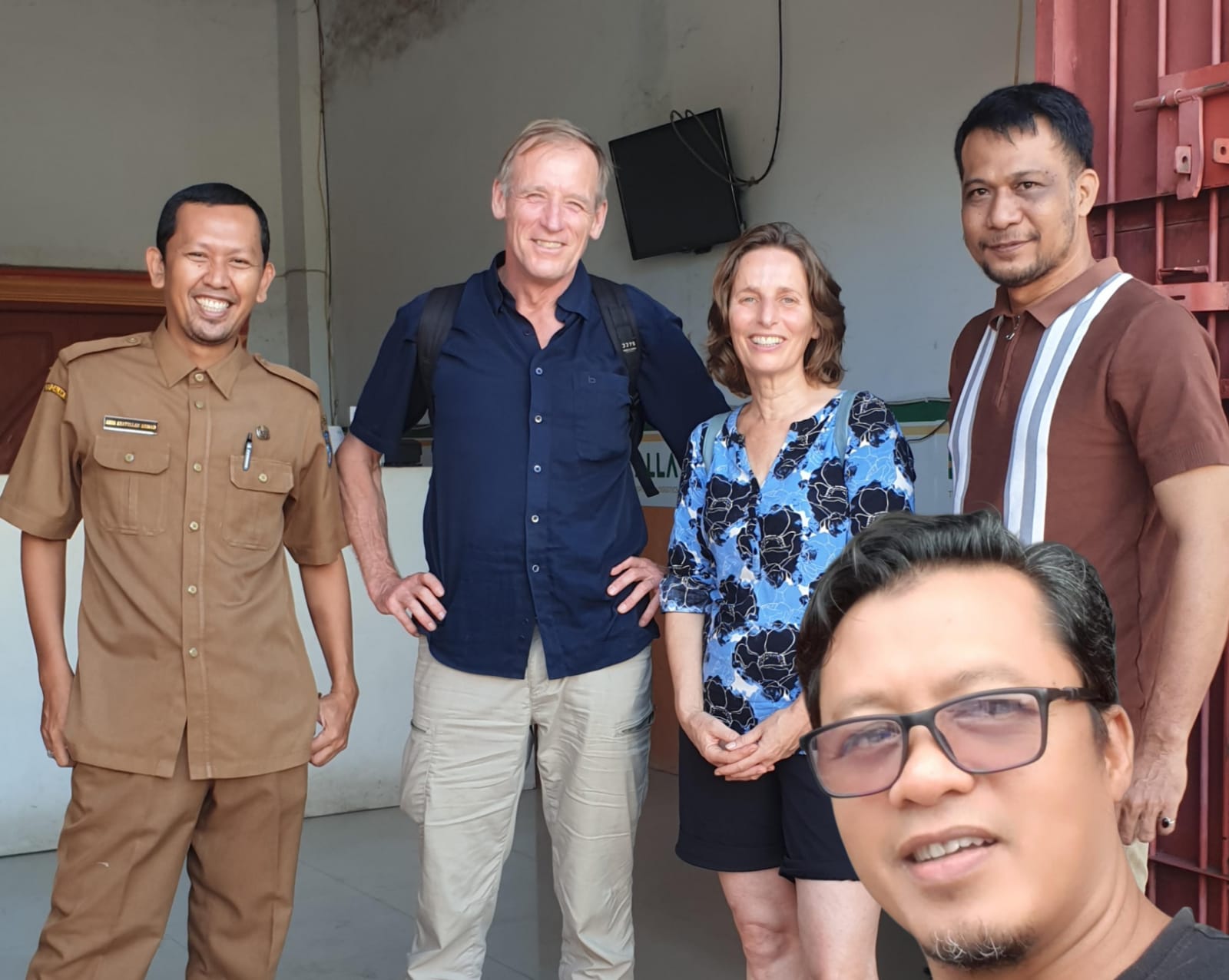
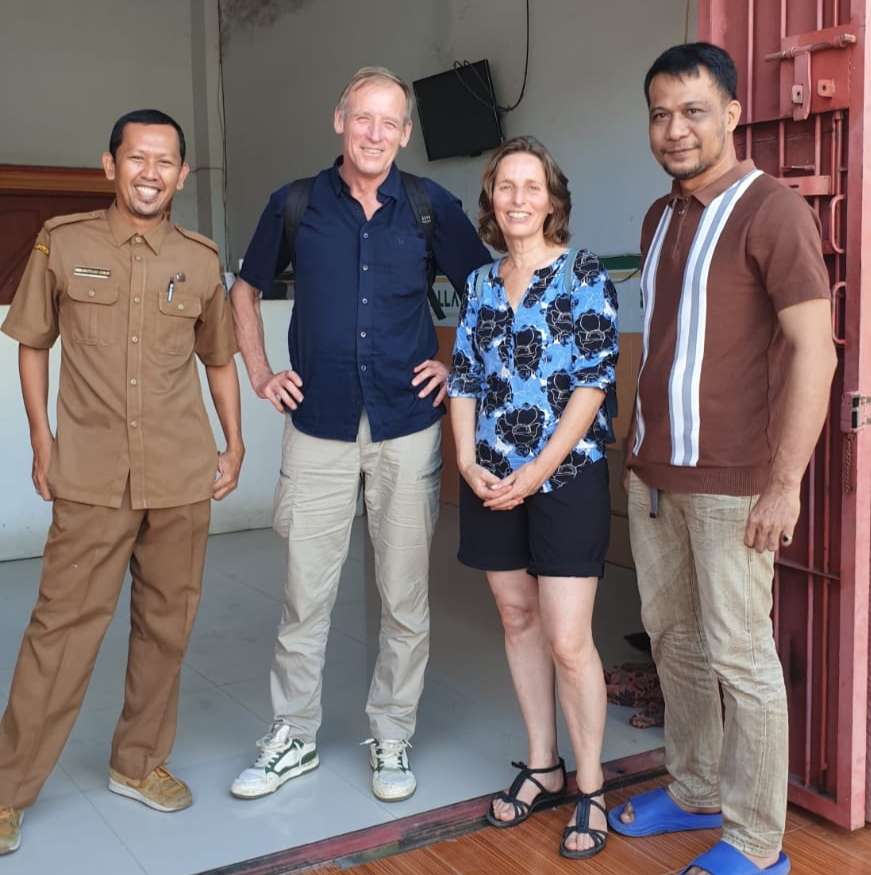
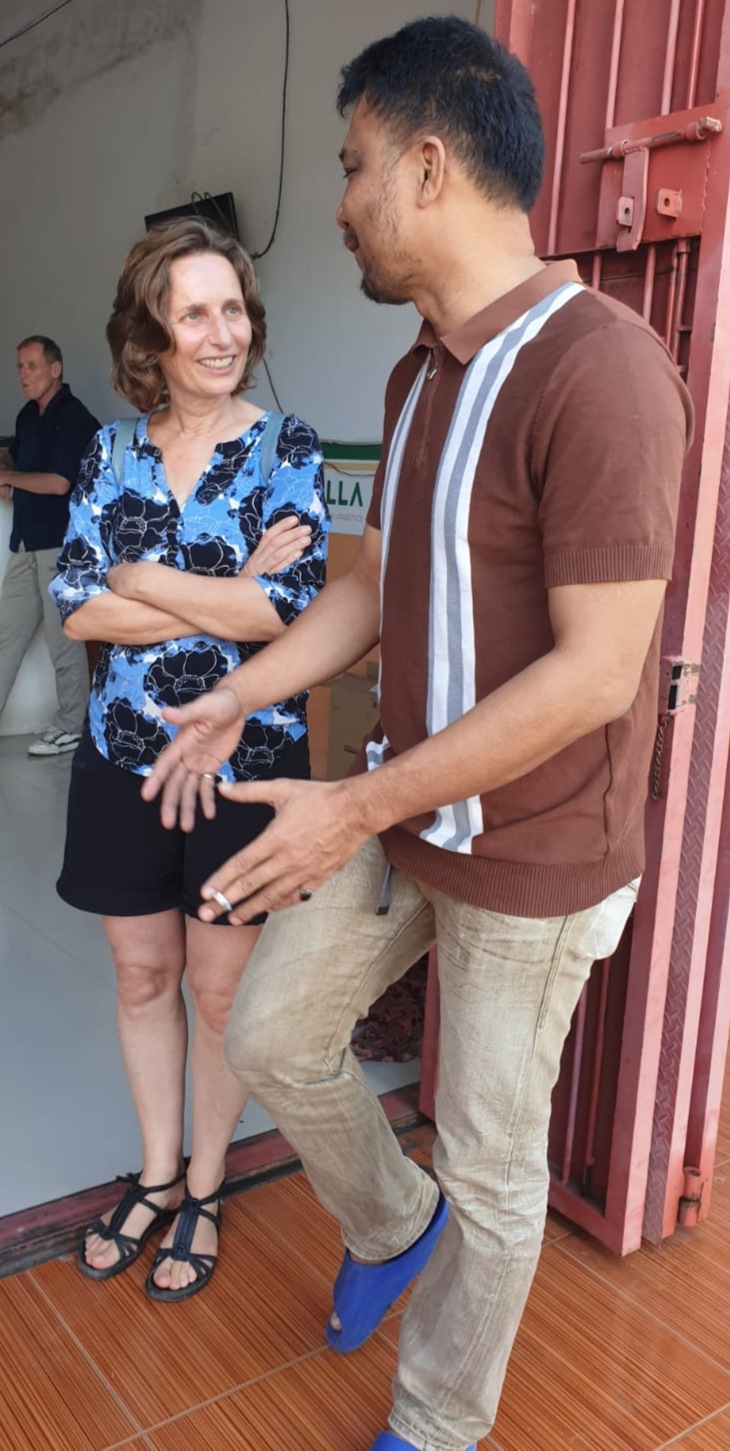
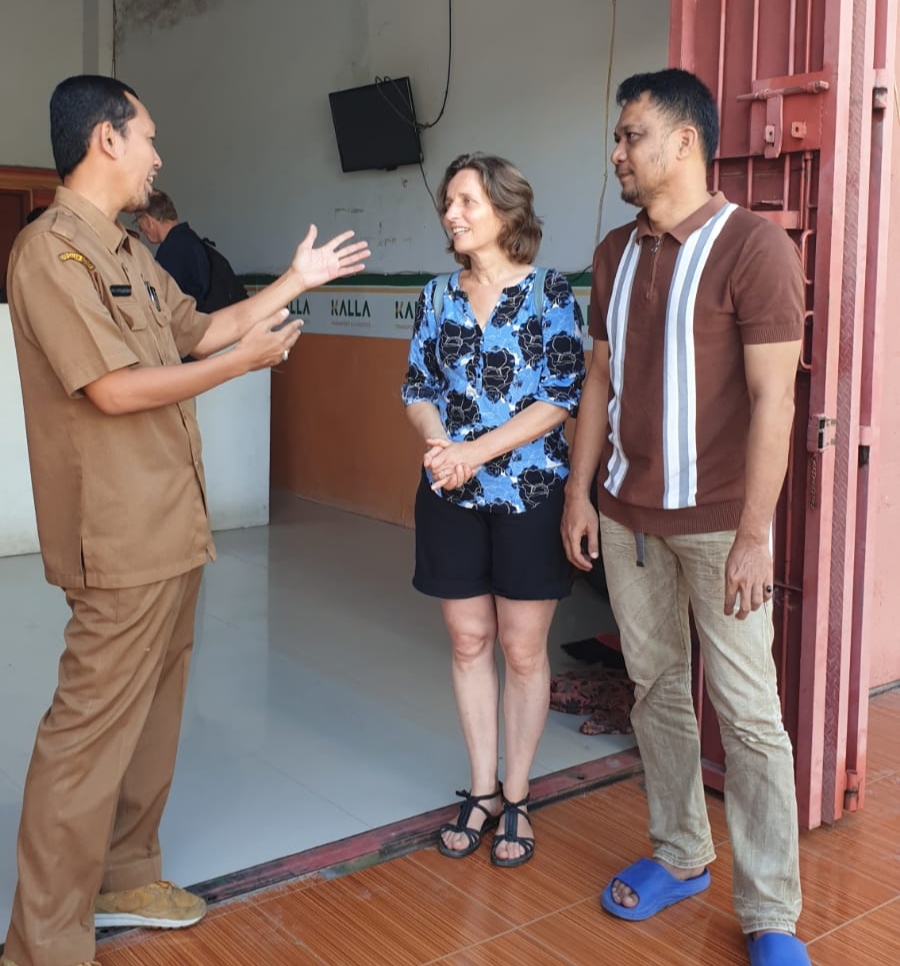
The meeting with Mariella Kempen and Mr. Belanda—having difficulty to pronounce the name correctly, the writer calls Mr. Egbert as Mr. Belanda (Read: Netherland). Luckily, he didn’t mind. This idea arose because Mariella previously called the writer Mr. Karate—when picking them up in Bira. It was filled with warmth. In Aris Irfan’s and the writer’s perspectives, we are both strangers: we are strangers in their mind, and they also consider us strangers. But because we both had a curiosity about cultural differences, communication was aimed to have mutual understanding. This is based on open mindedness so that even it was very serious conversations, it could become joyful discussion.
While passing through Bira and Darubia villages, Mariella asked about the villagers’ activities. Naturally, most of the people are fishermen and sailors. Young people enjoy sailing to various islands in Indonesia and even working on large ships sailing them to see many countries
Beside that, when starting a family, villagers typically marry within their own village or family, so it is natural for the kinship system to be very strong.
When young sailors return home, they still obey their parents when they are arranged marriage with someone within their immediate family. Obedience to believed to be part of the path to success.
Mr. Egbert compared this to his country. He explained, ‘Men or women are free to choose whomever they like, and their parents do not interfere. They can choose to live with whomever they are pleased’. The writer also supported his idea. Some sailors married abroad while sailing and bringing home their wives and children. Mariella immediately added, “Sailors are free men,” she said with a friendly smile. The entire car agreed and laughted without any objection.
The writer simply added that with the changing times, marrying according to one’s own choice is no longer as strict as it once was. Parents in coastal areas also tend to be more open-minded due to their interaction with the outside world through inter-island sea trade routes.
Arriving in Tanah Beru, we suggested a slight detour to see the famous traditional boat-making center known as Pinisi, a symbol of Indonesian maritime heritage worldwide and it was designated by UNESCO (United Nations Educational, Scientific, and Cultural Organization) in 2017. It was indeed a sight to behold, as the renowned ironwood, known for its strength and hardness, could be bent with simple tools. As information, to build an enormous boat, it just need four to ten workers. Maybe you don’t believe it but it is true.
Curiosity arose. ‘How can there be so many boats being built?’, Mr. Egbert and Mariella asked. ‘Locals and people people from all over the world order before boats are made’, the writer replied. After all, this boat-building tradition has existed from our ancestors for hundreds of years.
As we approached Bulukumba district, where we were about to say goodbye, the atmosphere grew more friendly. Age, job, single or married, number of children, and other private matters were no longer private conversation to be kept as secrets. In fact, all of them were like spices that enhance the flavor of a meal. The interesting thing that we could share is Mariella’s job. She is a manager of a vast and beautiful garden called Garden De Lage Orsprong in the village of Oortesbek built before World War II.
The garden’s natural beauty, combined with the imagination and creativity of human intelligence, incorporates artistic spatial design, a variety of musical forms, and work of art that harmonize with nature, creating a perfect atmosphere. The manager has been leading a group for about sixty people, including Mr. Egbert. It is no wonder that people love to make events there. You can find the link here: https://tuindelageoorsprong.nl
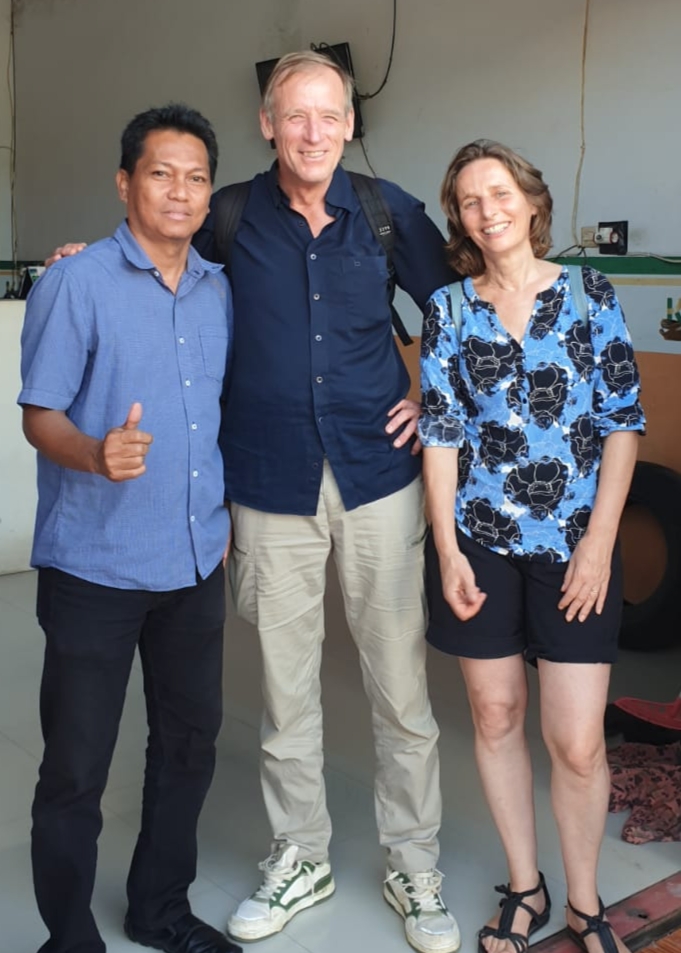
When we arrived in Bulukumba, we accidentally met Andi Ayatullah Ahmad, Public Relations Officer. He greeted us and interacted in English, receiving a briefing on how public relations works, I understand that Mariella had several different interpretations of Ayatullah’s explanation. However, it was simply a language barrier, and we were able to reach a mutual understanding. The conversation ended with laughter and a friendly handshake, and Mariella prepared to go to Makassar.
That’s how it is! All of the stories above are nothing new. We believe that what we are doing has been done by people before us. The choice to write our short life journey, even brief encounters with strangers, holds meaning and may be useful to others, for if not written down, they will simply be forgotten. Scripta manent: spoken words fly away, written ones remain.
Zulkarnain Patwa
* Independent Writer
* Teacher at Rumah Belajar Bersama
Tinggalkan Balasan